

Rubella virus (RV) belongs to the Togaviridae family and the Rubivirus genus. It is the sole member of this genus and is a single-stranded positive-sense RNA virus. The virus was first isolated and identified in 1962 as the causative agent of rubella (also known as German measles) in humans. After entering the human body, the virus initially replicates in the local lymph nodes of the respiratory tract and then spreads throughout the body via viremia, exhibiting a relatively broad cell tropism. Rubella virus has unique epidemiological characteristics, typically exhibiting seasonal prevalence, but it can cause periodic outbreaks in unvaccinated populations.
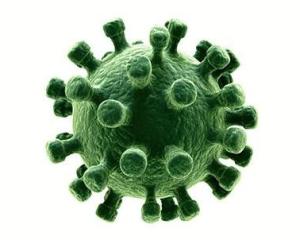
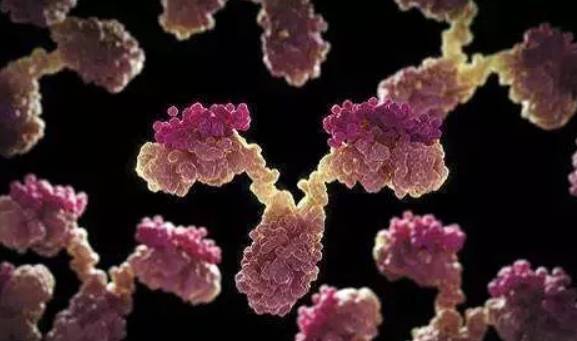
The rubella virion is spherical, with a diameter of approximately 60-70 nm, and exhibits the typical three-layer structural characteristics of togaviruses. The outermost layer of the virion is a smooth envelope composed of a viral lipid bilayer, embedded with heterodimeric spikes formed by two glycoproteins, E1 and E2. These spikes play a key role in viral attachment, membrane fusion, and host cell entry. The middle layer consists of capsid proteins located beneath the envelope, which encapsulate the viral genomic RNA to form the nucleocapsid. The rubella virus genome is a single-stranded positive-sense RNA, approximately 9.8 kb in length, with a methylated cap structure at the 5' end and a polyadenylated tail at the 3' end. The genome contains two open reading frames: the 5' nonstructural protein reading frame encodes nonstructural proteins (such as P150 and P90) involved in viral replication, while the 3' structural protein reading frame encodes three structural proteins—the capsid protein C and the two envelope glycoproteins E1 and E2—via a subgenomic RNA. Among these, the E1 protein contains the major neutralizing epitopes and hemagglutination sites of the virus, making it a primary target for serological testing and vaccine immunization. The E2 protein plays an important role in regulating the proper folding and membrane localization of the E1 protein. The virus replicates in the host cell cytoplasm and acquires its envelope through budding from the cell membrane. The structural proteins of rubella virus play a finely regulated role in viral assembly and the formation of infectious particles.
Our company provides a full range of Rubella virus antigens and antibodies.
【Antigens&Antibodies】
| Product Name | Catalog# | Contact |
| NebuSelect™ Recombinant Rubella virus/RUBV Polyprotein Protein, 127-277aa, His-tag | NBL-292428 | ☎ Technical Support >> |
| NebuSelect™ Anti-Rubella virus/RUBV Polyprotein Polyclonal Antibody | NBAB-195091 | ☎ Technical Support >> |


